BPC-157
BPC-157, from its peptide structure to the studies that describe its behavior in the body.
Preclinical dog data · 2 primary studies
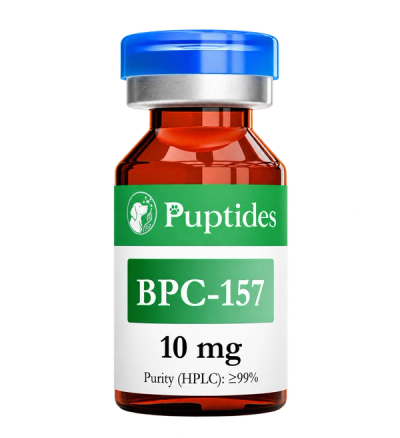
Puptides products.
Ingredients, amounts and bottle details.
A closer look at the research.
Start with what was studied, in which animals, and what the findings can tell us.
BPC-157: how the body processes it
Researchers measured absorption and elimination after intravenous and intramuscular administration. This helps describe exposure to the compound under the study conditions.
Read the primary study He et al. · Frontiers in Pharmacology · PMID 36588717What to keep in mind
This describes exposure under the study conditions, rather than recovery, pain relief, or lifespan outcomes. Study formulations and retail products need to be considered separately.
BPC-157: preclinical safety testing
A preclinical program examined toxicological effects in several species, including dogs. The authors reported tolerability under the conditions they tested.
Read the primary study Xu et al. · Regulatory Toxicology and Pharmacology · PMID 32334036What to keep in mind
Controlled toxicology findings do not establish lifelong safety, safety in every breed, or safety alongside a dog's existing medications.
Does the evidence match the condition, formulation, and route being considered for my dog?
Research questions.
Does this research apply to every product?
Each study tests a particular ingredient or formulation under specific conditions. The same ingredient name on a different product does not make the results interchangeable. These studies did not test a Puptides product.
Will this help my dog live longer?
The studies cited on this page do not establish a lifespan benefit in dogs. “More good days” expresses our purpose; it is not a promise about a product.
How can I use these summaries?
Bring the study links and the question above to your veterinarian. They can put the research in the context of your dog's health, food, and current care. Our dog tools can help you put together a reading list for that conversation.
Related research.
Editorial update: October 30, 2026 · Not independently veterinarian-reviewedOur standards